July 22, 2026
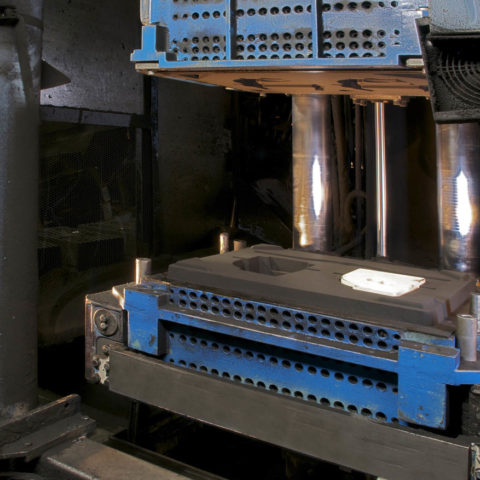
Sand casting is the better choice for large parts, low production volumes, and fast, low-cost tooling; investment casting is the better choice for smaller, complex, thin-walled parts that need tight tolerances (ISO 8062 grades CT4–CT7) and a smooth as-cast surface finish (Ra 1.6–6.3 µm). Sand casting scales to 200-plus tons, while investment casting tops out around 1,000 pounds. If you're specifying a cast metal part and trying to decide between these two processes, the choice comes down to four factors: part size, tolerance requirements, production volume, and budget for tooling versus per-part machining. This guide walks through each factor with real numbers, then breaks down which process fits which use case.
Categories: Sand Casting